Stars, evolution and life.
5 min read
Stickynotepickles
Do you know that we are made from pieces of ancient stars scattered across the universe? Maybe from another planet, or another sun, or maybe even from a comet. Maybe just a single atom that was almost kidnapped by a black hole billions of years ago. Yes, maybe. I know this is not scientist-grade information, but it is still beautiful. After the Big Bang, there were only simple elements. Most of them were hydrogen. There was a little bit of helium and a little bit of lithium. There was no carbon. There was no oxygen. There was no life.
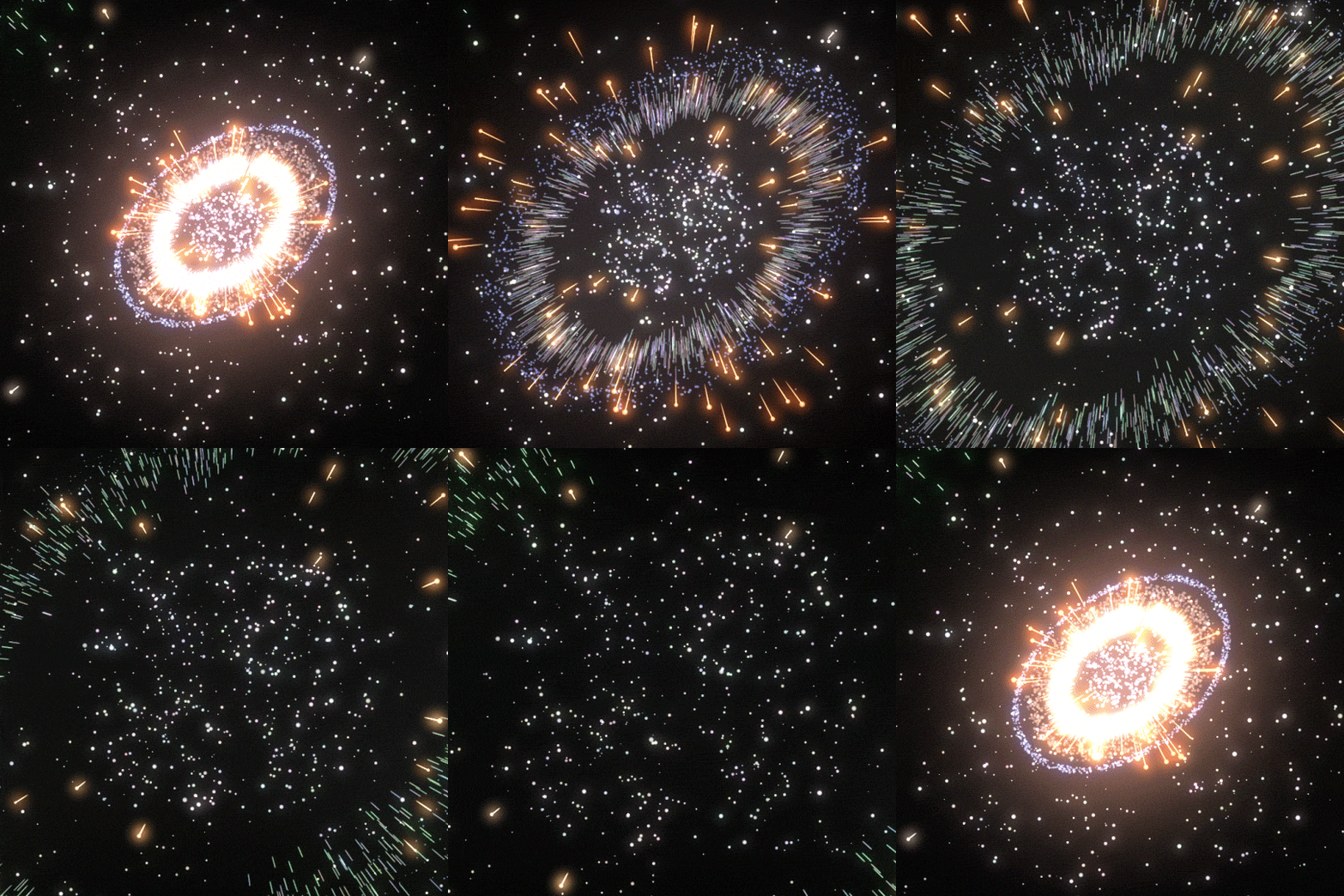
When a new star is born, nuclear fusion occurs at its core. This is a nuclear reaction where hydrogen turns into helium, helium turns into carbon and oxygen, and so on. But no elements heavier than iron are created by fusion. Creating elements heavier than iron would require putting in, rather than getting out, a positive amount of energy. When a star dies, it ends in a supernova explosion. All the elements created inside the star are thrown out into space. At the same time, elements heavier than iron, including gold and uranium, are created. These elements drift through space for millions of years. They come together to form new stars, new planets, and the most interesting part: you, me, us. Everything. We are children of the stars. Some of the hydrogen in our bodies is from the Big Bang itself. 13.8 billion years old.
The Cosmos is within us. We are made of star-stuff. We are a way for the Universe to know itself - Carl Sagan
Everything you see rocks, trees, animals, people is made of atoms that have passed through at least one star, and most through many more than that. I think about this sometimes. I know it’s “just science”, but it has such a romantic and philosophical side. We are born from stars, from suns, and other beautiful things from the cosmos. But it also has a sad side. We are not built for the cosmos. Our bodies may have been part of it before, part of some star, but now we are not made for space. It feels lonely. It’s as if we’ve been banished from heaven, perhaps so we can think, speak, and even feel. But we constantly try to return there, to the place we were once a part of. We search for ourselves, for others. Perhaps something similar to us, perhaps something different. Perhaps we are afraid of them. Perhaps they are also there, searching for their siblings from the same stars, searching for us. Perhaps they have already found us, but they call us “aliens”, just as we call them. I don’t like that word to describe them. Why should we address our siblings born from other stars in such an exclusionary way? Perhaps, according to this mindset, we cannot find them. Or they don’t want to be found. I don’t know, but let’s get back to the topic. The most fascinating part of our lives is evolution. We change gradually. We are adaptive organisms, and we adapt. Take oxygen, for example we cannot survive without it, but what if we had twice as much? If we increase the amount of oxygen from 21% to 42%, it could force the evolution of humanity toward “superhero” characteristics, but it could also cause harmful biological effects. The high amount of energy available to cells could result in larger body sizes. A stronger, taller, and physically more durable race of humans could emerge. Our lungs could become smaller but more efficient. We could heal much faster, and the immune system could work much more aggressively. However, since this would mean the body is always working in “high gear,” the heart and other organs would need to evolve to keep up with the pace. The most important issue is the risk of oxygen toxicity. Humans would age and die much earlier. The organ that consumes the most oxygen is the brain. Having a lot of oxygen available could allow the brain to create more complex neural networks without the same limits, and cognitive abilities (intelligence and memory) could increase.
But this much oxygen would turn the world into a virtual powder keg. The smallest spark could cause massive fires. It could make the taming of fire by humans, and therefore technological evolution, impossible.
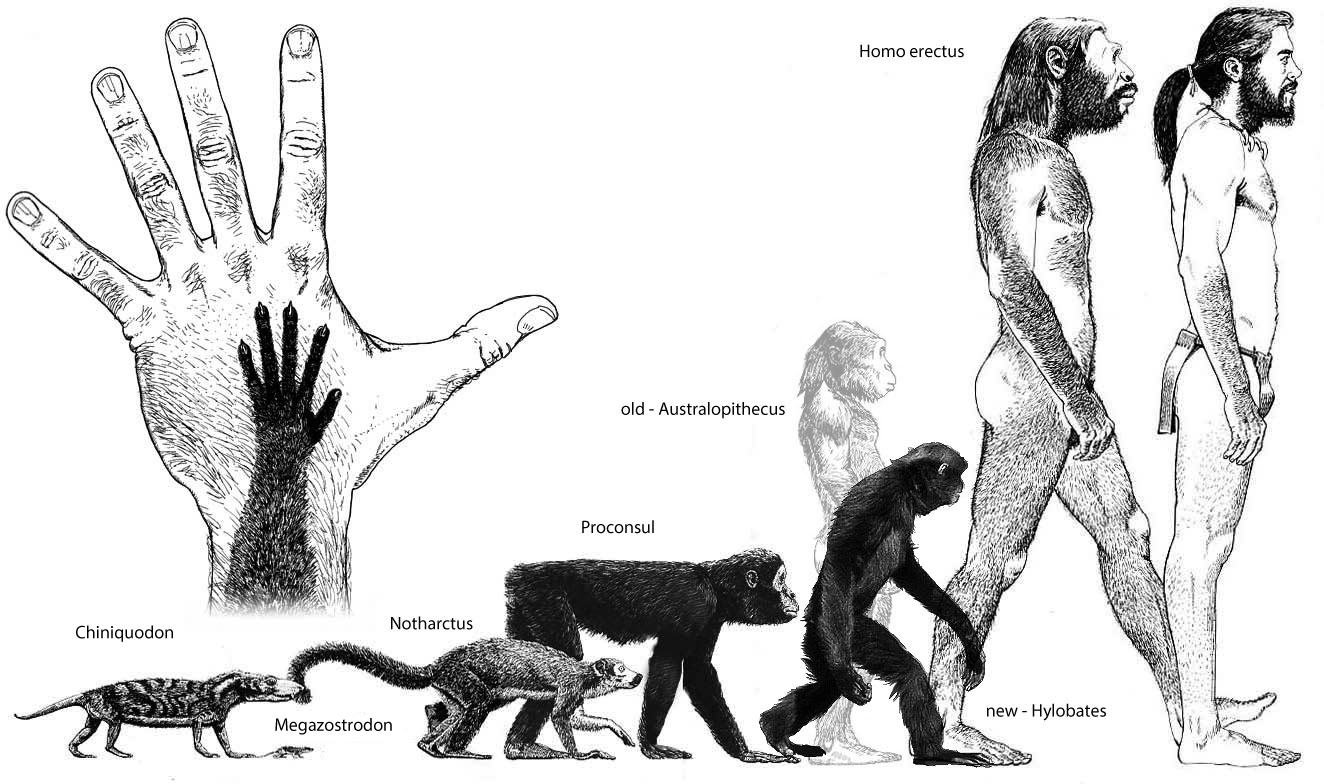
So now we know our evolution depends on the environment. I read an article called Homo Galacticus that is really good, and space will really hurt you.
Link: https://www.sciencealert.com/homo-galacticus-how-space-will-shape-the-humans-of-the-future
Long periods in space result in considerable physiological changes in the human body, mainly because of weightlessness and radiation. In a weightless state, the body does not bear weight, leading to a decrease in bone and muscle mass. The lack of atmosphere in space results in a tremendous amount of cosmic radiation, which could cause cancer and harm the central nervous system. Weakened immune system, vision problems, circulatory system changes: although most astronauts can be rehabilitated after returning to Earth, some effects, such as genetic effects of radiation, may be permanent.
So I really want to see space, the universe, but I think I can’t. It’s too early. Still, I like being part of this cosmos. Sometimes it feels lonely, and I like this loneliness. It’s so sweet.
I also like watching the stars on a quiet night and thinking about how lonely I am, how lonely we are, how lonely other stars are.
Apollo 11 astronaut Michael Collins the loneliest man in the universe. During each 48-minute orbit on the far side of the Moon, Collins was completely cut off from the 3+ billion people on Earth and from his two colleagues. Collins described the feeling as, “I am alone now, truly alone, and absolutely isolated from any known life.” However, he also noted that he felt comfortable with the solitude rather than lonely.
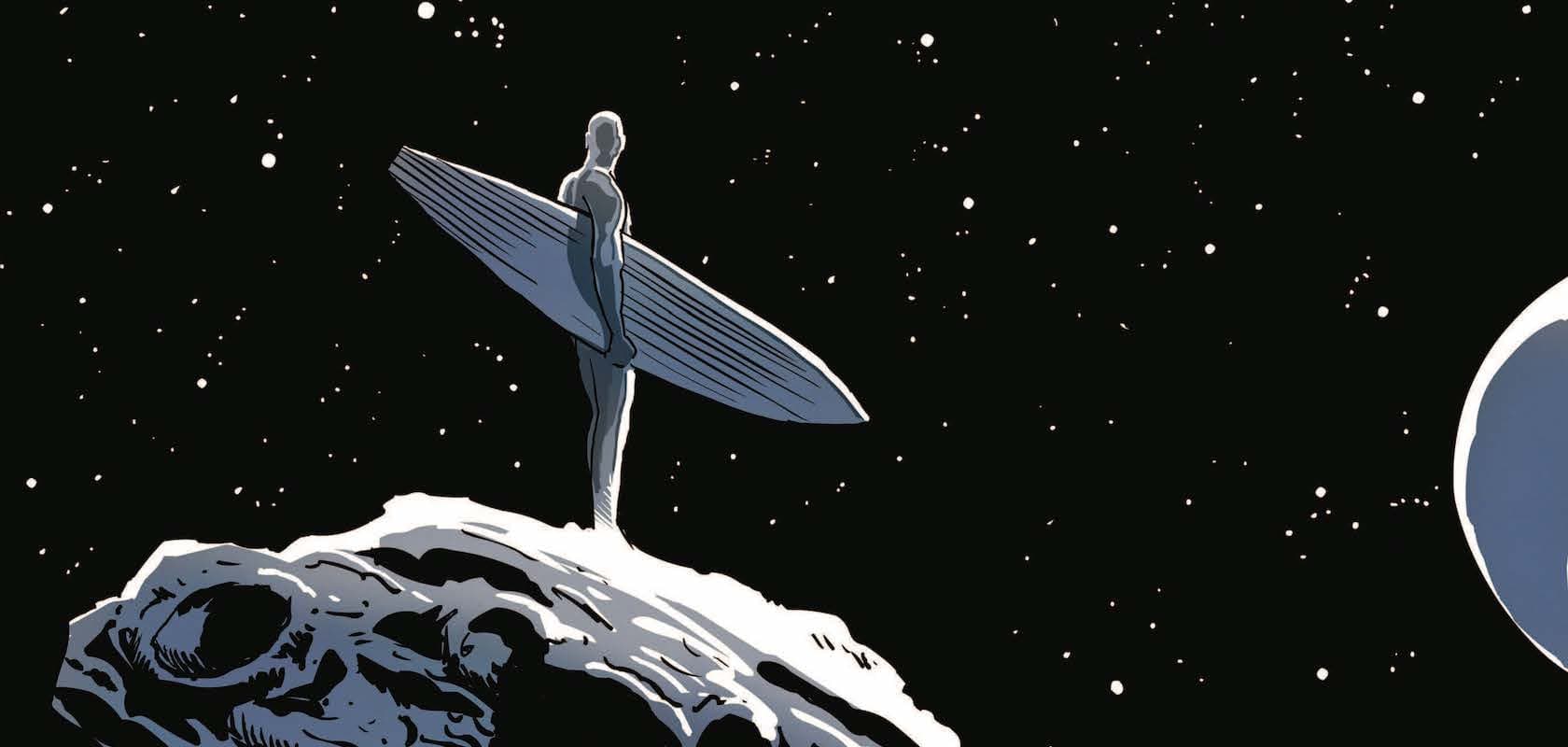
And another “loneliest man” The Silver Surfer.